The Best Workouts for Stress and Cortisol
When stress is running high, the right workout can be genuinely restorative — lowering cortisol, calming your nervous system, and lifting your mood. But here’s the catch that trips many people up: the wrong workout can actually add to your stress load. Matching your movement to your stress levels is the key. Here are the best workouts for managing stress and cortisol, and when to reach for each.

Choose Calming, Restorative Movement
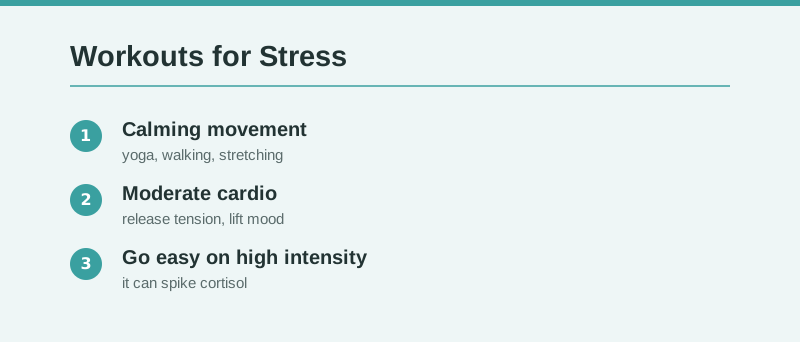
When you’re genuinely stressed, gentle, restorative movement is your best friend. Yoga, walking, gentle stretching, and slow, mindful movement lower cortisol and soothe your nervous system rather than revving it up. These calming workouts give you the benefits of movement — better mood, released tension, mental clarity — without adding physiological stress. On high-stress days, reaching for gentle, restorative movement is often exactly what your body and mind need to unwind.
Moderate Cardio Helps Release Tension
Moderate cardio — a brisk walk, an easy jog, a gentle cycle — releases mood-boosting endorphins and helps discharge built-up tension without over-stressing your body. It’s a wonderful, accessible way to melt stress away and clear your head. The key word is moderate: this isn’t about pushing to exhaustion, but about steady, comfortable movement that lifts your mood and eases tension. A moderate cardio session can genuinely reset a stressful day.

Go Easy on High Intensity When Stressed
Here’s the crucial, often-missed point: intense workouts like heavy HIIT or maximal training can actually spike cortisol further when you’re already stressed or run-down. While high-intensity exercise has its place when you’re feeling resilient, hammering yourself on an already-stressful day can add to the load rather than relieve it. On high-stress days, it’s genuinely wiser to favour gentler movement and save the intense sessions for when you feel strong and recovered.
Prioritise Recovery and Rest
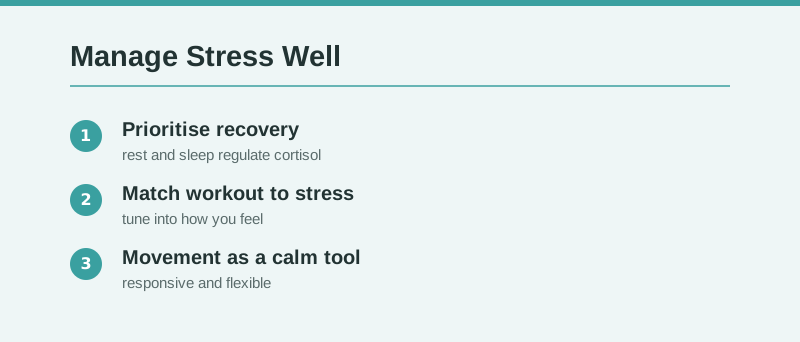
Managing stress and cortisol isn’t only about which workout you do — it’s also about giving your body enough recovery. Adequate rest, good sleep, and rest days all directly help regulate cortisol, and no amount of exercise compensates for chronically neglecting them. Building genuine recovery into your routine is essential for keeping stress hormones in check. Movement helps manage stress, but only when it’s balanced with the rest your body needs to actually recover.
Match Your Workout to Your Stress
The overarching principle is simple: tune into your stress and energy levels, and choose your movement accordingly. Feeling strong and resilient? A more vigorous workout can feel great. Feeling frazzled and depleted? Gentle, restorative movement will serve you far better. This responsive, flexible approach — matching your workout to how you actually feel — is what makes exercise a genuine tool for managing stress rather than another source of it. Listen to yourself, and move in the way your body needs.
The best workouts for stress and cortisol are calming, restorative movement and moderate cardio, while easing off high intensity when you’re stressed and prioritising recovery. Match your workout to your actual stress and energy levels, and movement becomes a powerful tool for calming down rather than winding up. Listen to your body, and choose the movement it genuinely needs on any given day.
Keep Reading
This article is for general informational and styling purposes only. Fit, sizing, and product availability may vary.