What At-Home Hormone Test Kits Can Actually Tell You (and What They Can't)
At-home hormone kits promise clarity in a box: spit in a tube, prick a finger, get a chart of numbers that supposedly explains the fatigue, the mood swings, the stalled progress. The reality is messier. This is general information, not medical advice.

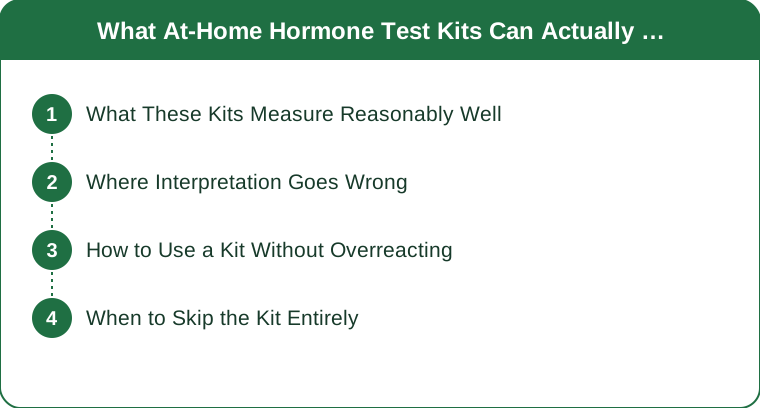
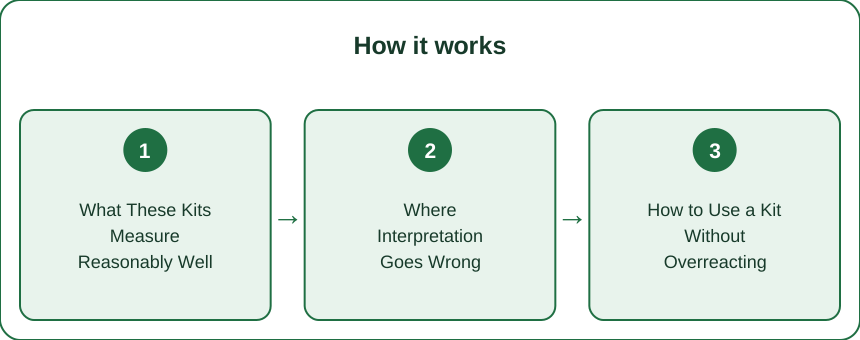
What These Kits Measure Reasonably Well
The reliable use case: the the-single-hormone-snapshot (a well-validated kit capturing a reasonably accurate single-timepoint reading of hormones like cortisol, estradiol, or progesterone, which is useful as one data point rather than a diagnosis), the the-trend-tracking-value (repeated testing at the same time of day and cycle phase over months revealing directional trends that a single test cannot, since hormone levels swing naturally within a day and across a cycle), the the-lab-grade-gap (at-home kits generally using less sensitive assay methods than a clinical blood draw, meaning the absolute numbers may not match what a doctor’s lab would report even when the direction is correct).
Where Interpretation Goes Wrong
The common misread: the the-one-number-anxiety-spiral (a single out-of-range result triggering supplement purchases or drastic diet changes before confirming the pattern holds on a second or third test), the the-timing-not-controlled (testing cortisol in the evening and comparing it to a morning reference range, or testing estradiol outside the expected cycle window, producing a result that looks abnormal purely because of when it was drawn), the the-context-missing (a kit reporting a hormone level with no knowledge of sleep debt, recent illness, or training load the night before, all of which shift the numbers temporarily without meaning anything is wrong).

How to Use a Kit Without Overreacting
The practical protocol: the the-same-time-same-context-rule (testing at the same time of day, same day of cycle, and under similar sleep and stress conditions each time, so comparisons are actually apples to apples), the the-three-test-minimum (treating any single concerning result as provisional until a second and third test in different weeks confirm the pattern, rather than acting on one number), the the-bring-it-to-a-clinician (using the at-home trend as a conversation starter with a doctor rather than a replacement for blood work, especially before starting any hormone-affecting supplement or medication).
When to Skip the Kit Entirely
The honest limit: the the-severe-symptom-override (significant symptoms like missed periods, extreme fatigue, or rapid weight change warranting a clinical workup regardless of what a home kit shows, since kits are not built to catch everything a full panel would), and the frame (at-home hormone kits are a reasonable trend-tracking tool when used consistently and cross-checked with a clinician, not a stand-alone diagnostic — the number matters less than the pattern across several tests taken the same way.)
Hormone test kits sold for home use can genuinely help someone notice a pattern over time, but a single result is a data point, not a verdict. Testing conditions matter more than most buyers realize: the time of day, the cycle phase, sleep the night before, even recent illness can shift a reading enough to look alarming when nothing is actually wrong. The fix is simple discipline — test the same way every time, wait for a pattern across several tests before reacting, and treat concerning results as a reason to talk to a clinician rather than a reason to self-treat. Home kits are best understood as an early trend detector sitting between doing nothing and getting a full lab panel, useful precisely because they’re cheap enough to repeat. Used that way, they earn their place in a routine. Used as a one-shot verdict, they mostly generate anxiety over noise. The kit in the box, not the number on the app.
Keep Reading
This article is for general informational and styling purposes only. Fit, sizing, and product availability may vary.